
 Ceramic Lidded Jar
 Decorative Dishes
 Ceramic Tiles
 Pomegranate Ceramic Art









Lighting Temperature: How to Make Wooden Fixtures Look Their Best

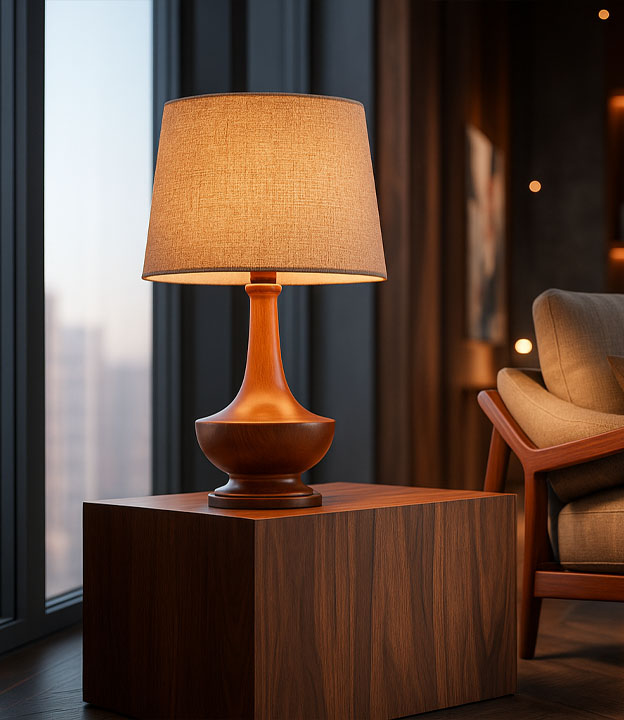
Lighting temperature for wooden fixtures is one of the most critical — and most misunderstood — aspects of interior lighting design. Even the most beautifully crafted wooden chandelier, pendant light, wall sconce, or table lamp can lose its warmth, depth, and natural character when paired with the wrong bulb color.
Choosing the correct lighting temperature for wooden fixtures enhances wood grain, enriches natural tones, and creates interiors that feel calm, refined, and intentional. When the temperature is wrong, however, wood can appear flat, grey, or visually cold — regardless of how high-quality the fixture itself may be.
This expert guide explains how lighting temperature affects wooden fixtures, how to choose the ideal Kelvin range for different rooms, and how professional interior designers use lighting temperature to make wooden lighting look its absolute best.
Table of Contents
ToggleWhy Lighting Temperature Matters for Wooden Fixtures
Lighting temperature refers to the color appearance of light and is measured in Kelvin (K). While brightness determines how much light a fixture emits, lighting temperature determines how that light feels and how materials appear under it.
For wooden fixtures, lighting temperature directly influences:
- The visibility and richness of wood grain
- The perceived warmth or coolness of the space
- How wood interacts with surrounding colors and finishes
- The emotional comfort of the room
Because wood is a naturally warm, organic material, it performs best under warm lighting conditions. Selecting the right lighting temperature for wooden fixtures ensures the material looks dimensional, expressive, and alive rather than dull or lifeless.
Understanding the Kelvin Scale for Wooden Lighting
To choose the best lighting temperature for wooden fixtures, it’s important to understand the Kelvin ranges commonly used in residential interiors.
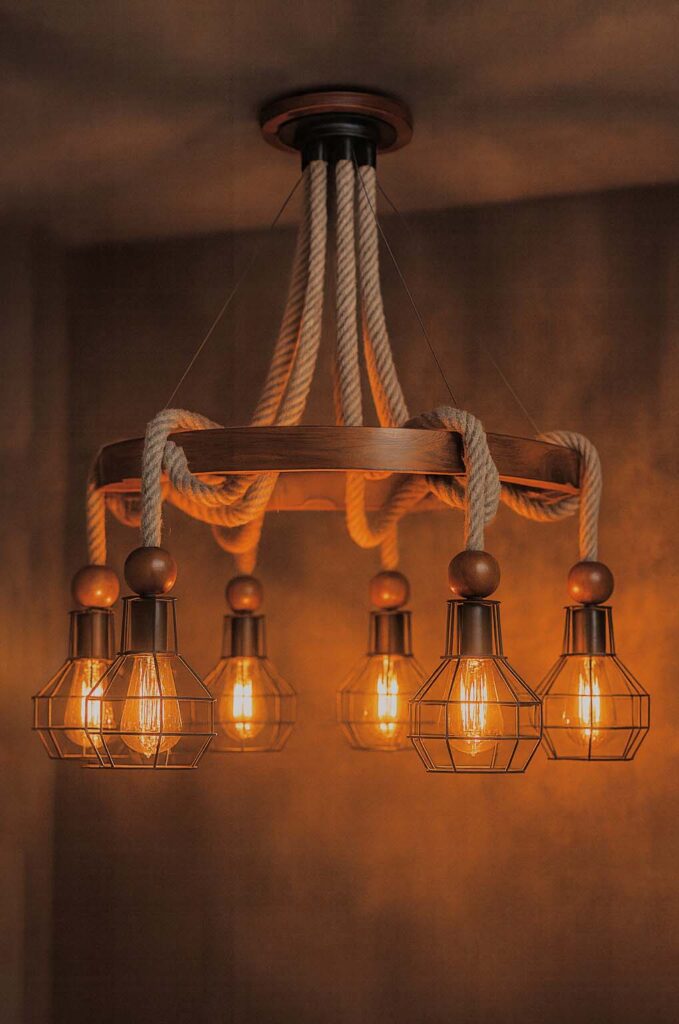
Warm Light (2700K–3000K) — Best for Wooden Fixtures
Warm light produces a soft, golden glow similar to traditional incandescent lighting.
Effect on wooden fixtures:
- Enhances natural wood grain and texture
- Deepens warm wood tones
- Creates a cozy, welcoming atmosphere
- Reduces harsh shadows and glare
This range is widely considered the ideal lighting temperature for wooden fixtures in living rooms, dining rooms, bedrooms, lounges, and hospitality-style interiors.
Neutral-Warm Light (3000K–3500K) — Balanced & Functional
Neutral-warm light balances warmth with clarity.
Effect on wooden fixtures:
- Preserves warmth without excessive yellow tones
- Works well with light wood finishes
- Improves visibility for functional areas
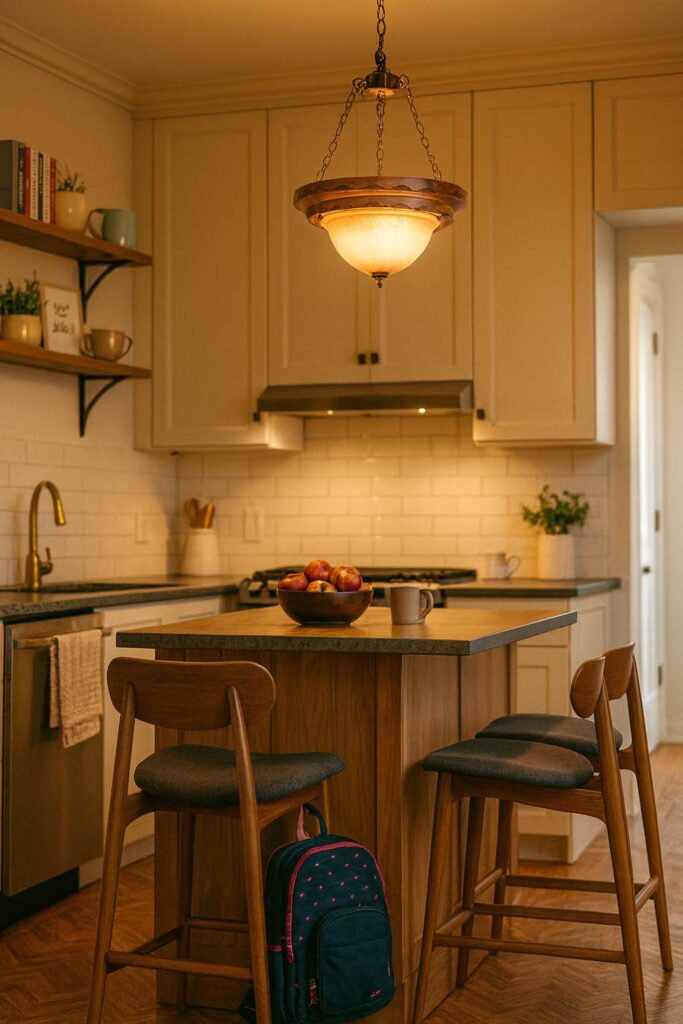
This temperature range is suitable for open-plan interiors, kitchen islands with wooden pendant lights, and dining spaces that require both ambience and task clarity.
Cool Light (4000K and Above) — Generally Not Recommended
Cool light appears crisp and bluish.
Effect on wooden fixtures:
- Flattens wood texture
- Reduces visual warmth
- Creates a clinical or sterile appearance
Cool lighting temperatures are not recommended for wooden fixtures in residential interiors, as they conflict with wood’s natural warmth and emotional character. They may only be appropriate in utility or workshop settings where aesthetics are not a priority.
Choosing Lighting Temperature by Wooden Fixture Type
Different wooden lighting fixtures benefit from specific Kelvin ranges depending on their function.
Wooden Chandeliers
As statement pieces, wooden chandeliers should highlight craftsmanship and material quality.
Recommended temperature:
- 2700K–3000K
This range enhances detail while creating a welcoming focal point.
Wooden Pendant Lights
Commonly used above dining tables or kitchen islands.
Recommended temperature:
- 2700K for dining and living spaces
- 3000K for kitchen islands where clarity is needed
Avoid cool white bulbs, which strip warmth from the wood.
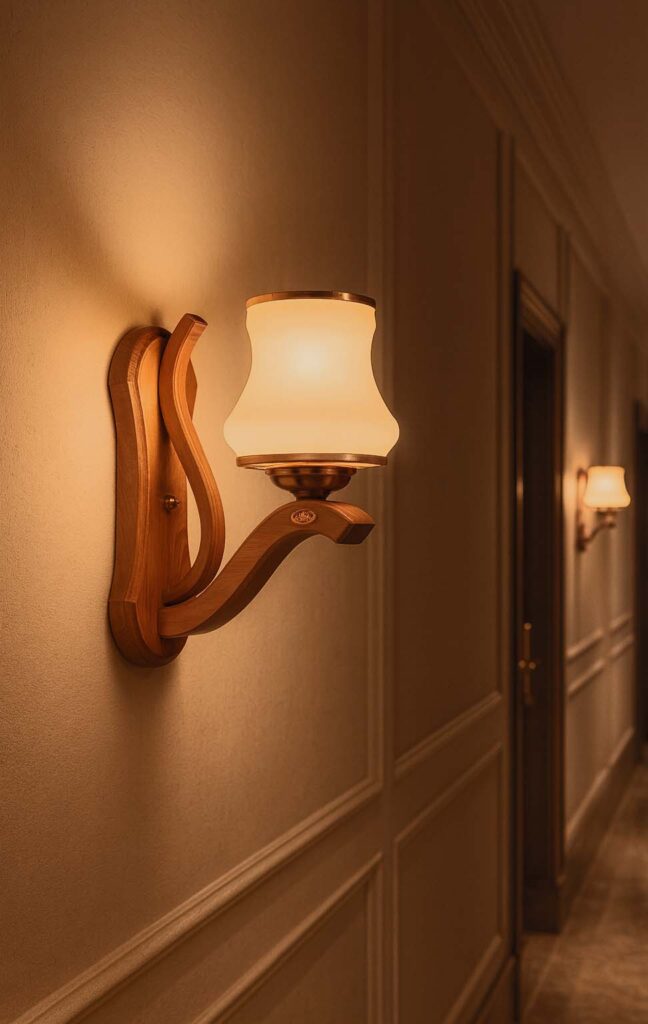
Wooden Wall Sconces
Primarily used for ambient and accent lighting.
Recommended temperature:
- 2700K
This creates soft pools of light that emphasize texture and architectural depth.
Wooden Table & Floor Lamps
Associated with relaxation and evening use.
Recommended temperature:
- 2700K–3000K
These temperatures support visual comfort and emotional calm.
How Lighting Temperature Interacts with Wood Color
Different wood tones respond uniquely to lighting temperature:
- Light woods (oak, ash, beech): Require warm light to avoid a washed-out appearance
- Medium woods (walnut, teak): Look richest under 2700K–3000K
- Dark woods: Depend on warm lighting to avoid heaviness and loss of detail
Correct lighting temperature ensures wood appears natural, balanced, and visually expressive.
LED Bulbs: The Best Choice for Wooden Fixtures
LED bulbs are the safest and most effective option for wooden lighting.
What to look for when choosing LED bulbs:
- Clearly marked Kelvin rating (2700K–3000K)
- High CRI (Color Rendering Index) of 90+ for premium interiors
- Low heat emission to protect wood finishes
Avoid LEDs labeled “cool white” or “daylight” for wooden fixtures.
Dimmers and Wooden Lighting: What to Know
Dimmers elevate wooden lighting when used correctly.
Important considerations:
- Use dimmable LED bulbs with compatible dimmers
- Avoid mismatched dimmers that cause flicker or buzzing
- Consider “warm-dim” LEDs, which shift warmer as brightness decreases
Dimmers allow mood control throughout the day while preserving the warmth of wooden fixtures.
Common Lighting Temperature Mistakes to Avoid
Professional designers consistently avoid these errors:
- Mixing multiple color temperatures in the same room
- Using cool light with wooden fixtures
- Prioritizing brightness over ambience
- Ignoring dimmer compatibility
Consistency in lighting temperature is essential for refined, high-end interiors.
Explore Wooden Lighting Designed for Warm Illumination
Discover wooden chandeliers, pendant lights, wall sconces, and lamps designed to perform beautifully under warm lighting temperatures by clicking here
For authoritative guidance on residential lighting principles and standards take a look at here
Frequently Asked Questions
What lighting temperature works best for wooden fixtures?
- 2700K–3000K provides warmth, depth, and comfort.
Can neutral light work with wood?
- Yes, up to 3000K–3500K in functional areas.
Is cool light suitable for wooden lighting?
- No, it diminishes warmth and flattens texture.
Do dimmers change lighting temperature?
- Standard dimmers adjust brightness only; warm-dim LEDs shift color intentionally.